Securing reliable pest control service in San Antonio requires addressing the intense biological pressures created by fractured limestone geology, subtropical humidity, and sustained summer heat waves across Bexar County. Invasive species such as striped bark scorpions, eastern subterranean termites, tawny crazy ants, and German cockroaches routinely exploit microscopic foundation fissures, expansion joints, and brick weep vents to locate indoor moisture reservoirs.
No forms — call now for a fast, no-pressure quote.
📞 Call (254) 489-5768
A professional pest control service in San Antonio is a specialized structural management intervention that identifies, intercepts, and eradicates invasive insect and vertebrate populations around South Texas residential and commercial structures.
Every service reflects the same meticulous attention to detail — whether it's a single job or a larger pest control service project across San Antonio.
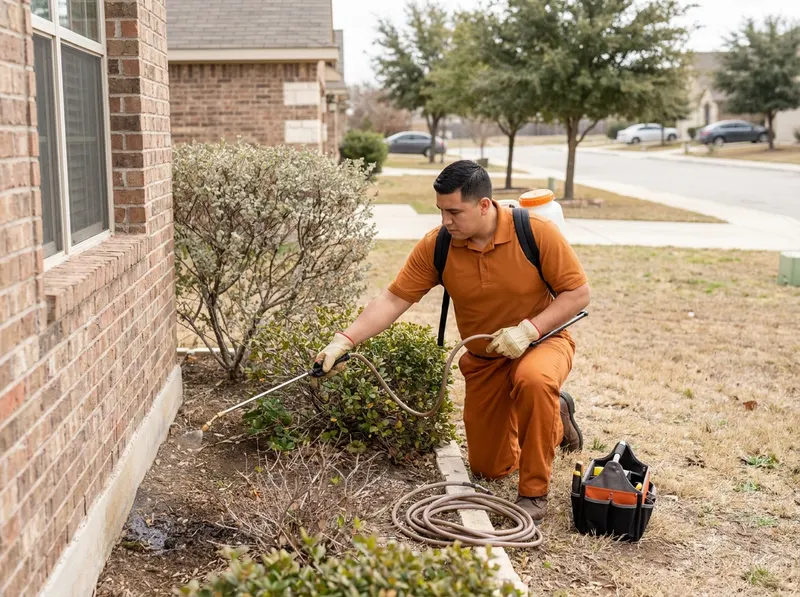
Residential perimeter pest defense creates an unbroken liquid and granular protective zone around foundation perimeters, weep holes, plumbing penetrations, and exterior eaves. Field technicians apply advanced microencapsulated non-repellent formulations up to three feet up the exterior masonry wall and six feet outward across landscaping beds, mulch zones, and perimeter gravel bands. This continuous application intercepts crawling arthropods before structural entry occurs, neutralizing American cockroaches, oriental roaches, field crickets, silverfish, millipedes, and centipedes native to Bexar County soils. Exterior treatment includes sweeping down spider webs, mud dauber nests, and paper wasp nests from first- and second-story eaves, window casings, and entryway overhangs. Power-dusting water-resistant insecticidal dust into foundation weep holes stops pest migration through internal brick wall voids without introducing liquid chemicals into interior living spaces. Scheduled quarterly reapplications maintain the chemical barrier integrity through extreme solar degradation, heavy rainfall events, and seasonal temperature swings.
View details →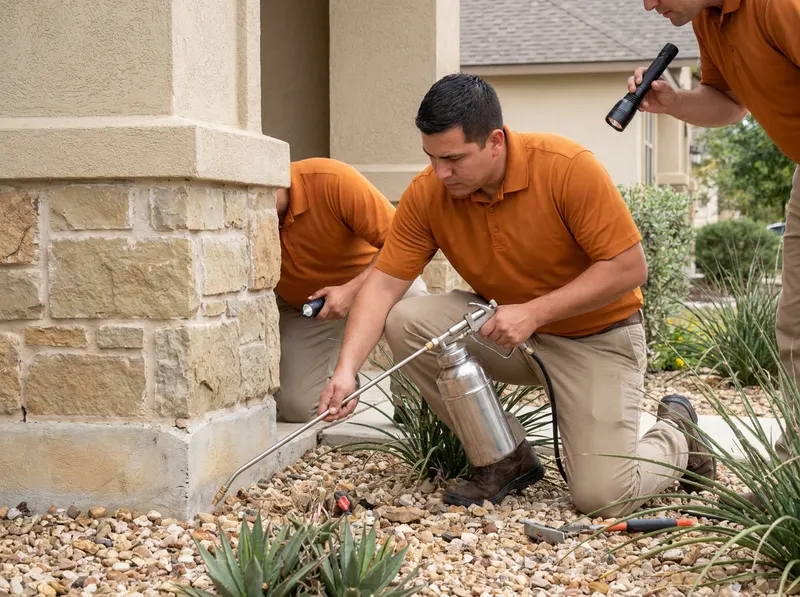
Striped bark scorpion management utilizes specialized microencapsulated synthetic pyrethroid formulations engineered to adhere to smooth, waxy scorpion cuticles despite ambient surface temperatures exceeding 100 degrees Fahrenheit. Technicians conduct systematic inspections targeting dry-stacked limestone retaining walls, flagstone patios, decorative rock beds, expansion joints, and shaded cedar mulch bands common across Hill Country transition properties. Precision exterior applications saturate exterior rock harborages and foundation perimeter transition zones where scorpions hunt nocturnal prey like crickets and roaches. Interior management combines localized crack-and-crevice treatments along baseboards, beneath thresholds, behind water heater closets, and inside dark attic access points with low-profile glue monitoring stations. Technicians identify and recommend remediation for exterior micro-entry points, such as worn weatherstripping, unsealed pipe penetrations, and ground-level weep holes, effectively terminating indoor scorpion intrusions.
View details →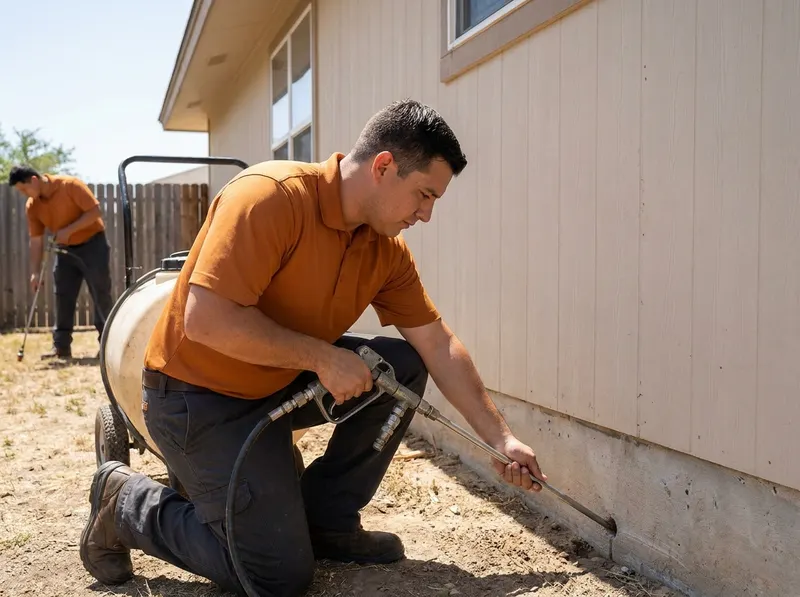
Subterranean termite barrier treatment delivers long-term structural defense against native subterranean termites and invasive Formosan subterranean termites. Technicians dig continuous trenches along exterior foundation perimeters, saturating backfilled soil with non-repellent termiticides that worker termites unknowingly carry through colony tunnels. Concrete flatwork abutting exterior walls—including driveways, patios, front porches, and air conditioning equipment pads—undergoes precision vertical drilling at regular twelve-inch intervals to inject protective liquid barriers beneath slab surfaces. When termites contact the non-repellent chemical, they transfer the active toxicant to nestmates through mutual grooming and food sharing, achieving total structural colony collapse. Structural inspections evaluate interior baseboards, plumbing chases, bath traps, and crawlspace framing for mud shelter tubes, wood blistering, and moisture accumulation to ensure complete barrier continuity across every hidden structural entry point.
View details →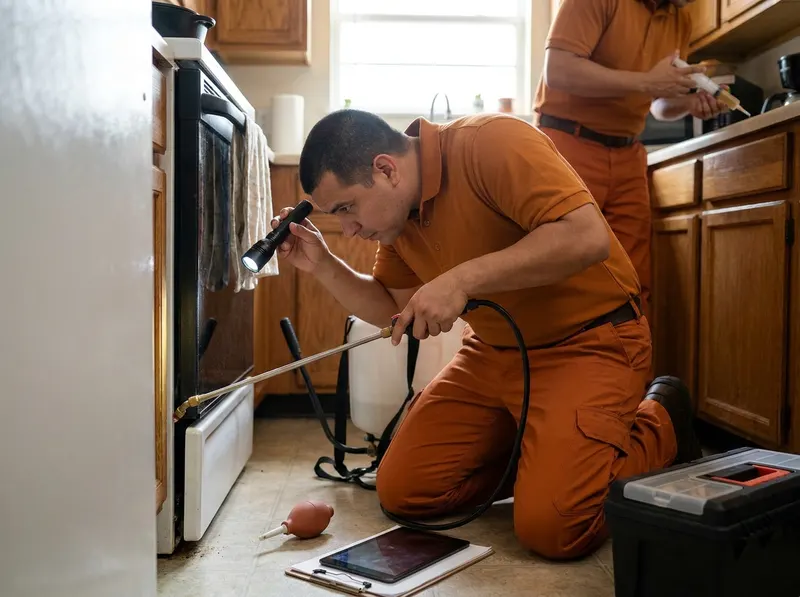
German cockroach clean-out service eradicates severe kitchen and bathroom infestations through a multi-stage chemical and physical mitigation protocol. Technicians apply professional-grade non-repellent insect growth regulators (IGRs) paired with high-palatability matrix baits into hidden crack-and-crevice harborages, hinge pockets, drawer slides, and appliance motor housings. Precision equipment delivers specialized silica and pyrethroid dust formulations into hollow cabinet stiles, wall voids behind backsplashes, and voids surrounding plumbing supply lines. The applied insect growth regulators disrupt normal chitin synthesis, preventing immature cockroach nymphs from molting into reproductive adults and sterilizing surviving females. A mandatory follow-up service performed fourteen to twenty-one days after initial treatment targets newly emerged nymphs before they reach reproductive maturity, completely eliminating the breeding cycle and clearing food-preparation environments.
View details →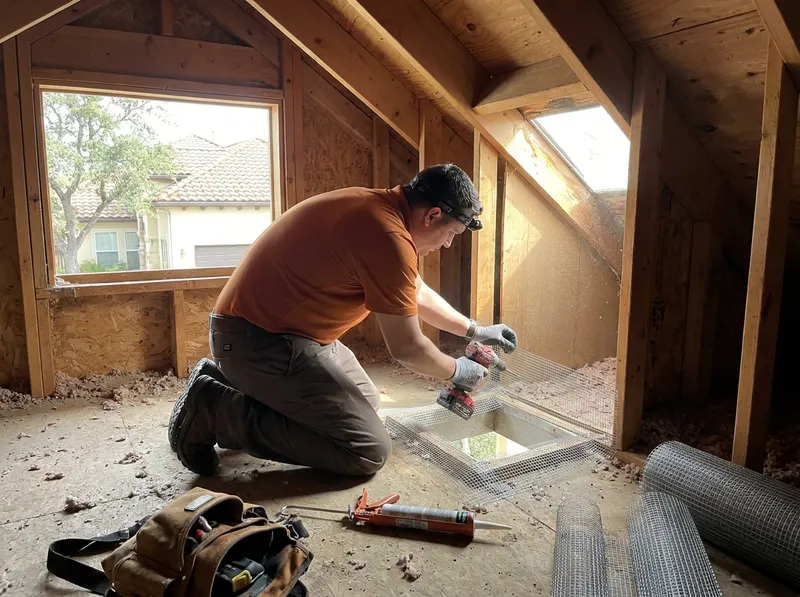
Rodent exclusion inspects rooflines, fascia transitions, roof returns, rake edges, gable vents, soffit screens, and utility conduit entries to identify all potential entry voids larger than one-quarter inch. Technicians seal identified access pathways using chew-proof 26-gauge galvanized steel hardware cloth, metal flashing, copper mesh, and elastomeric structural sealants. Within attic spaces and crawl areas, technicians remove contaminated insulation, vacuum droppings using HEPA-filtered extraction machinery, and apply hospital-grade botanical disinfectant sprays to neutralize dangerous zoonotic pathogens and pheromone trails. Strategic mechanical trapping sequences installed within monitored runways rapidly capture all remaining interior roof rats and house mice. Exterior commercial-grade tamper-resistant bait stations anchored around property perimeters reduce local outdoor rodent populations, preventing future re-infestation pressure against the reinforced building envelope.
View details →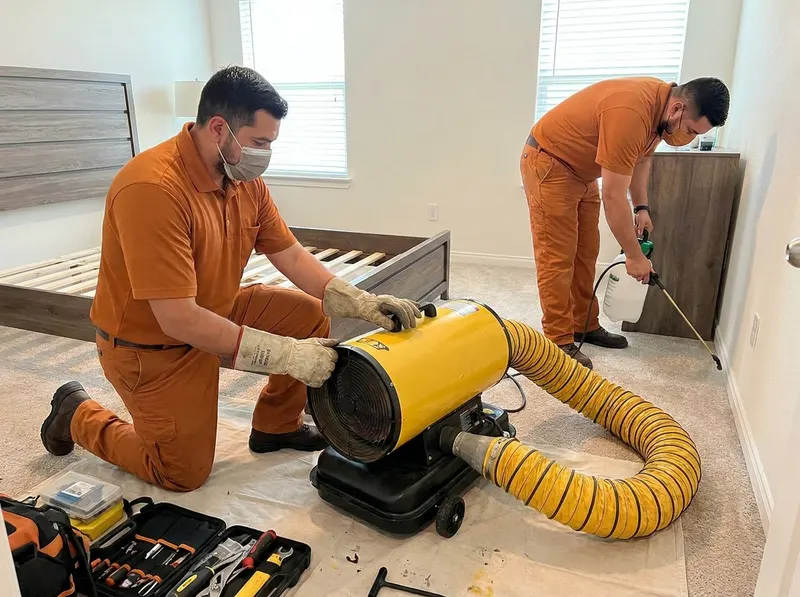
Bed bug remediation eliminates Cimex lectularius populations across every lifecycle stage—including eggs, nymphs, and adults—from infested residential and hospitality properties. The eradication protocol combines targeted localized thermal steam applications with residual insect growth regulators, microencapsulated adulticides, and desiccant dust applications. Technicians treat mattress seams, box spring internal framing, bed frames, headboards, nightstands, picture frames, baseboard perimeters, and electrical switch boxes. Desiccant dusts injected into wall voids provide long-term residual protection by eroding the waxy protective outer layer of bed bug exoskeletons, causing rapid dehydration. Pre-treatment preparation guidelines instruct occupants on laundering protocols and personal item management, ensuring comprehensive coverage and eliminating harborage zones throughout sleeping areas.
View details →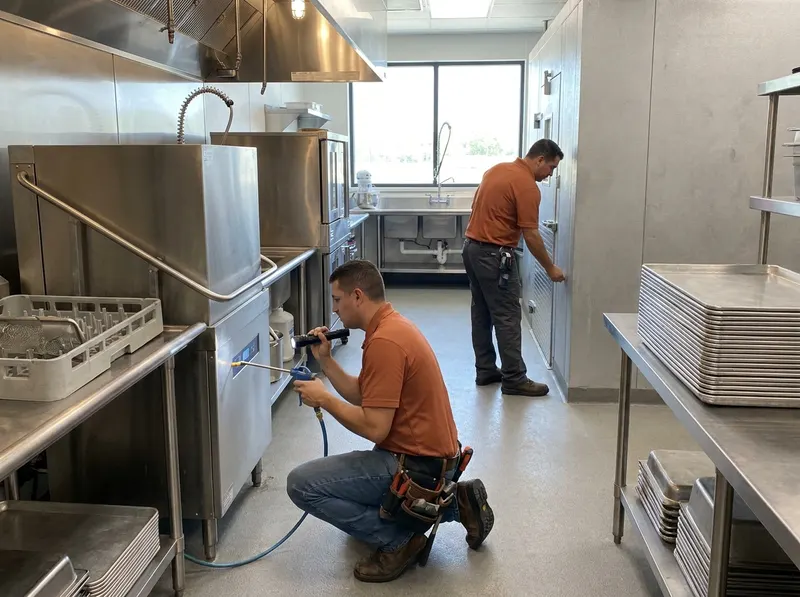
Commercial facility pest control delivers audit-ready, integrated pest management programs customized for restaurants, commercial food processing plants, healthcare centers, warehouses, and multi-family residential complexes. The service implements comprehensive electronic barcode-scanned monitoring networks, exterior tamper-resistant bait stations, insect light traps (ILTs), and pheromone monitoring units. Technicians perform active biological drain foaming using enzymatic and bio-larvicidal agents to dissolve organic grease layers where drain flies, phorid flies, and fruit flies breed. Routine service visits provide complete digital reporting, hazard analysis documentation, trend tracking graphs, and structural sanitation recommendations to satisfy Bexar County Environmental Health regulations, FDA guidelines, and third-party audit standards.
View details →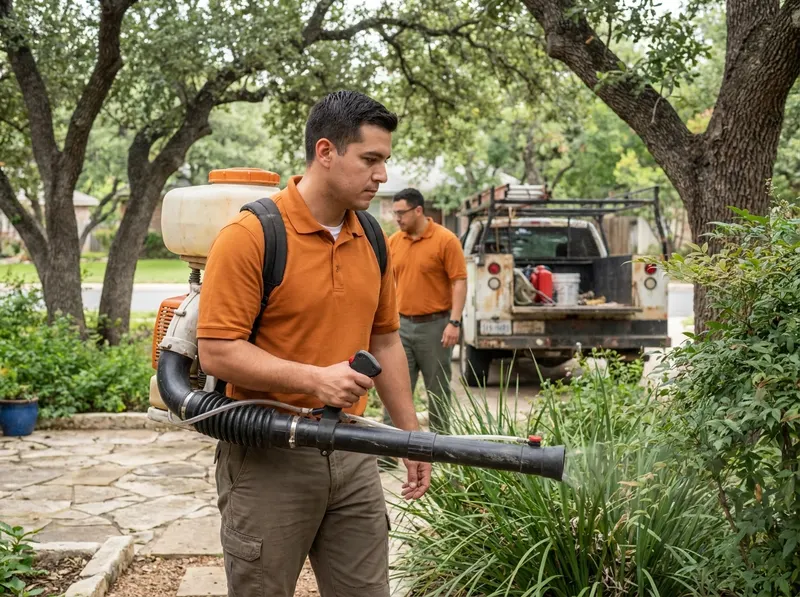
Mosquito reduction utilizes ultra-low-volume automated misting systems and specialized high-performance backpack mist blowers to apply microencapsulated adulticides across dense ornamental foliage, property perimeters, and sheltered patio overhangs. Applications coat the undersides of broadleaf plants, dense shrub canopies, ivy beds, and ground covers where adult mosquitoes shelter from daytime heat and wind. Technicians inspect properties for micro-reservoirs of standing water, distributing slow-release microbial larvicide briquettes into French drains, catch basins, birdbaths, air conditioner condensation runoff lines, and ornamental water features. This biological larvicide utilizes Bacillus thuringiensis israelensis (Bti) to eliminate mosquito larvae before they pupate into biting adults, providing sustained outdoor protection through spring and summer.
View details →A professional pest control service in San Antonio is a specialized structural management intervention that identifies, intercepts, and eradicates invasive insect and vertebrate populations around South Texas residential and commercial structures.
You get a firm, itemized quote for your pest control service before any work begins — no surprises, no pressure.
Careful prep, tidy work, and a full cleanup when we are done. We treat your home and belongings like our own.
The same trusted, background-checked team from the first call to the final check.
Selecting the right pest control intervention requires balancing target pest biology, structural building materials, environmental exposure, and infestation severity. If your property displays light foraging by odorous house ants near baseboards or sporadic wolf spider webs along exterior soffits, choose a recurring quarterly perimeter maintenance service. If you observe nocturnal German cockroach runs across kitchen countertops, notice live striped bark scorpions inside living areas, or encounter heavy flea emergence in carpet fibers, choose an intensive dual-stage corrective clean-out program. The operational trade-off is that an intensive clean-out requires rigorous interior preparation—including clearing kitchen cabinets, laundering bedding at high heat, and vacating the premises for two to four hours during application—whereas exterior quarterly maintenance establishes continuous perimeter defense with zero indoor disruption or scheduling inconvenience. If structural wood framing shows earthen mud exploration shelter tubes rising from grade level along concrete slab edges, select a continuous liquid subterranean termite trenching and slab injection treatment; if structural wood inspection reveals clean, hollowed-out gallery chambers containing fecal pellets without mud tubes, choose a targeted drywood termite localized injection or structural fumigation protocol. Liquid termiticide trenching establishes an impenetrable non-repellent barrier through surrounding soil zones that lasts for years, but it involves physical soil excavation and precision drilling through exterior flatwork, whereas spot treatments act immediately on isolated drywood framing colonies without ground alteration. For persistent nocturnal scratching noises, damaged ceiling drywall, and chewed electrical wiring inside attic spaces, select a comprehensive rodent structural exclusion, trapping, and thermal insulation sanitization package; if rodent signs remain restricted to droppings near exterior trash storage or detached garden sheds, choose exterior tamper-resistant rodenticide bait stations. Structural attic exclusion permanently seals structural roof returns, ridge caps, and soffit transitions with heavy-gauge steel hardware cloth, preventing roof rats from exploiting overhanging live oak limbs, whereas exterior baiting networks suppress neighborhood rodent population density without structural modifications.
Every project gets a firm, written price after a free on-site visit. Ranges below for orientation.
Tell us about your pest control service job and we'll send a clear, written quote — usually the same day. Or just call and talk to a real San Antonio pro.
(254) 489-5768
Properties across Bexar County confront unique structural pest threats driven by the sharp geological transition along the Balcones Fault line, where northern limestone outcroppings meet southern expansive Blackland Prairie clays. In northern hillside communities like Stone Oak, Timberwood Park, and The Dominion, fractured limestone rock layers provide ideal underground voids and thermal microclimates for striped bark scorpions, subterranean termites, and red harvester ants. When extreme South Texas heat dries out surface vegetation, these pests migrate upward along foundation stem walls, entering residential spaces through brick weep holes, construction expansion joints, and sliding patio doors. Further south in historic neighborhoods such as Monte Vista, King William, and Alamo Heights, older pier-and-beam foundations and vintage longleaf pine framing require specialized non-invasive treatments to eradicate carpenter ant colonies, drywood termites, and smokey brown cockroaches without compromising architectural integrity. Residential parcels bordering natural riparian corridors like the Olmos Basin, Salado Creek Greenway, Leon Creek, and the San Antonio River experience heavy vector pressure from roof rats nesting in mature live oak and pecan canopies, as well as prolific mosquito breeding along drainage easements. Pest control service in San Antonio must be engineered to withstand prolonged UV exposure, high mineral soil content, and shifting foundation soils that frequently fracture conventional chemical barriers.
Free estimates for San Antonio & the surrounding area.
 Velnaro Pest Defense Services